
Bitcoin Halving Explained: Stunning Benefits and Risks
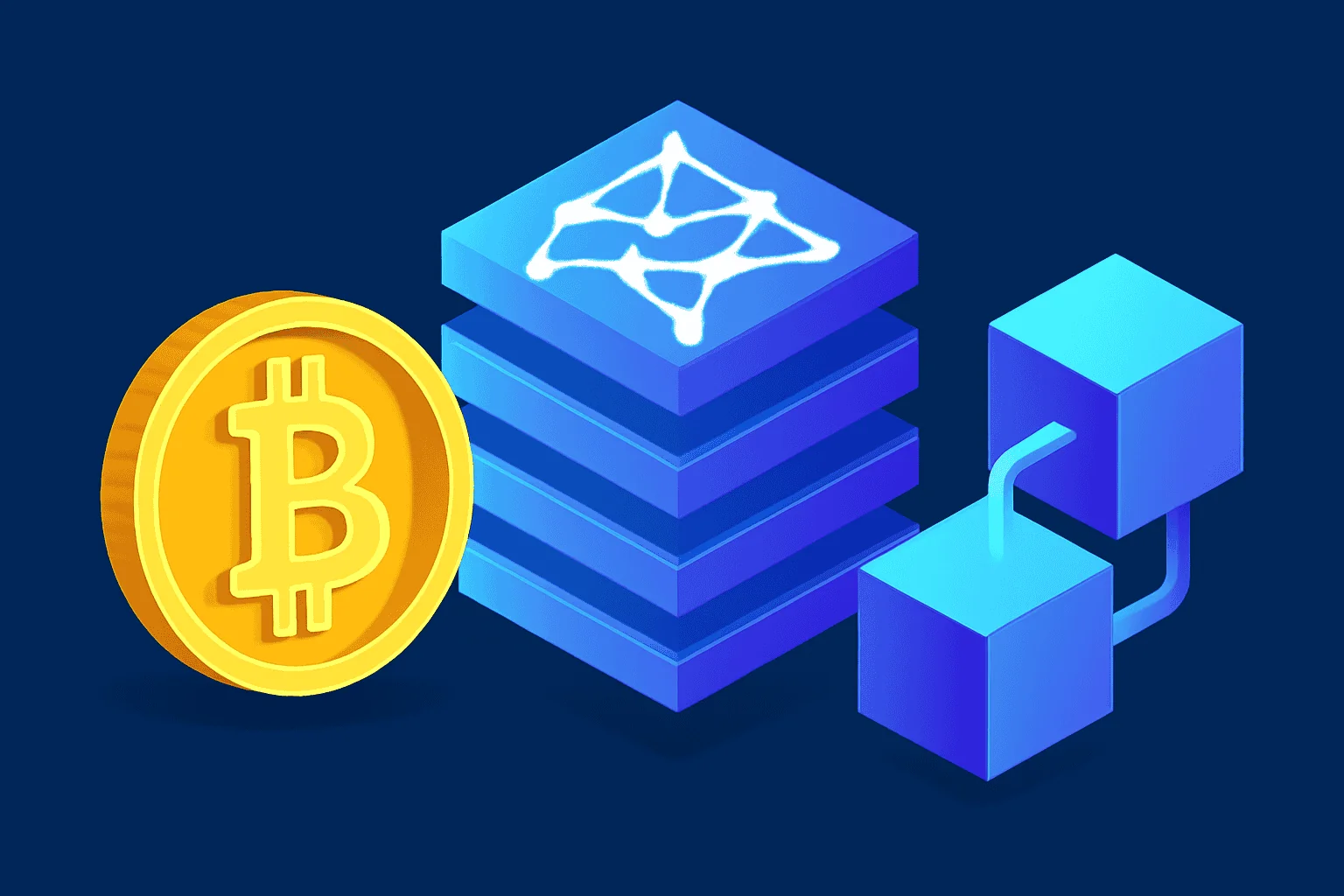
Bitcoin halving is a scheduled event that cuts the block reward miners earn by 50%. It takes place roughly every four years, or every 210,000 blocks. This...
In this article

Why halving exists in Bitcoin’s design
Satoshi Nakamoto hard-coded halving into Bitcoin to limit supply growth over time. Instead of an open-ended inflation rate, Bitcoin tapers issuance on a known timeline, moving from high early emissions to a trickle. The endgame: a capped supply of 21 million coins.
That schedule makes Bitcoin more predictable than most monetary systems. Everyone can see when new supply will slow, down to the block. This transparency supports the “digital scarcity” narrative that anchors Bitcoin’s value proposition.
How halving works at the protocol level
Miners bundle transactions into blocks and are rewarded with newly minted bitcoin plus transaction fees. Once the network reaches the next 210,000-block milestone, the protocol halves the block subsidy automatically. No vote, no committee, no surprise.
Example: the reward started at 50 BTC per block, then dropped to 25, 12.5, 6.25, and currently 3.125 BTC after the 2024 halving. Each step reduces the rate of new issuance and extends the runway toward the 21 million limit.
Historical halvings and outcomes
Past halvings provide a rough guide, not a guarantee. Price, hash rate, and miner behavior have each reacted differently over time, though certain patterns recur.
| Halving | Year | Reward Before → After | Approx. Supply Issuance Reduction |
|---|---|---|---|
| 1st | 2012 | 50 → 25 BTC | 50% |
| 2nd | 2016 | 25 → 12.5 BTC | 50% |
| 3rd | 2020 | 12.5 → 6.25 BTC | 50% |
| 4th | 2024 | 6.25 → 3.125 BTC | 50% |
Post-halving periods often saw rising prices months later, but markets also endured sharp pullbacks and long consolidations. Meanwhile, miners with high electricity costs sometimes switched off less efficient machines after the cut, temporarily lowering hash rate until difficulty adjusted.
Halving and Bitcoin’s scarcity curve
Each halving reduces the flow of new coins, lowering annualized issuance. Over time, this pushes Bitcoin toward a near-fixed supply. Think of it as built-in disinflation: the “inflation rate” of Bitcoin trends toward zero as the last coin is mined around 2140.
Scarcity alone doesn’t set price. Demand matters. Yet a predictable drop in new supply changes the balance miners, traders, and long-term holders navigate every day.
Miner economics after a halving
When rewards are sliced in half, miner revenue per block falls immediately, unless price or fees fill the gap. That forces operators to optimize: cheaper power contracts, more efficient ASICs, or better cooling. Inefficient miners may capitulate during stress, selling coins or shutting rigs.
Network difficulty usually adapts. If hash rate falls, difficulty drops at the next adjustment, keeping blocks roughly 10 minutes apart. This self-correcting loop preserves network security incentives across market cycles.
Market narratives and common patterns
Because halving is predictable, some argue markets price it in early. Others point to on-chain signals and liquidity cycles that often align with the months after halving. Reality is messier: macro conditions, regulation, and risk appetite can override the calendar.
- Volatility around the event is common but not guaranteed.
- Liquidity thins on weekends and holidays, amplifying moves.
- Funding rates and options skew can hint at crowded positioning.
A simple scenario: if price stays flat while rewards halve, a marginal miner’s profit may flip negative, prompting machine shutdowns until difficulty eases or price recovers. That churn can feed short-term volatility even when long-term demand remains intact.
Where transaction fees fit in
Fees top up miner revenue alongside the block subsidy. During busy periods—NFT-like inscriptions, stablecoin movements, or meme-driven demand—fees can spike and offset the halving’s hit. Over the long arc, fees must carry more weight as subsidies dwindle.
This dynamic nudges Bitcoin users to value block space more efficiently. Techniques like batching transactions and layer-2 solutions can help manage costs while keeping the base layer secure.
What halving means for different participants
Halving lands differently depending on your role. The practical steps below can help you prepare without getting lost in hype.
- Miners: model breakevens under multiple price and fee scenarios, and plan hardware upgrades or power negotiations ahead of the event.
- Long-term holders: expect headline noise; review custody, security, and DCA schedules rather than chasing short-term spikes.
- Active traders: track liquidity, funding, and options expiries around the date; plan risk limits before volatility jumps.
These habits reduce reactive decisions. A small example: a miner locking a fixed electricity rate six months prior can keep rigs profitable when others scramble after the cut.
Frequently asked questions
Quick answers to the points people look up most often can clear confusion and save time for deeper research.
- How often does halving occur? Roughly every 210,000 blocks, about four years.
- Who decides the halving? It’s in the code; nodes enforce it automatically.
- Does halving stop after 21 million? The subsidy approaches zero; fees remain.
- Is price guaranteed to rise? No. Supply slows, but demand drives outcomes.
If you want exact timing, track countdowns that estimate the date from current block intervals. They shift slightly as the network speeds up or slows down.
Halving in context of broader crypto cycles
Altcoin liquidity, stablecoin issuance, and global risk cycles often respond to Bitcoin’s moves. Post-halving narratives can spill over into other assets, sometimes stretching far beyond fundamentals. Correlations tighten during risk-on phases and loosen when macro shocks hit.
For example, a surge in Bitcoin’s price can lift exchange volumes, which then fuels speculative rotations into large-cap altcoins. The reverse unfolds quickly when volatility spikes—liquidity retreats to BTC and stablecoins first.
Key signals to watch around a halving
Focusing on a few concrete indicators beats chasing every chart. These metrics frame both supply and market conditions.
- Hash rate and difficulty: show miner health and network security trends.
- Miner balances and flows: large outflows to exchanges can flag stress.
- Transaction fees: rising fee share can offset lower subsidies.
- Liquidity depth: thinner order books magnify price swings.
Combine these with macro markers—dollar liquidity, rates, and risk indices—to separate halving effects from the broader tide.
Practical takeaway
Bitcoin halving is a predictable, code-driven supply shock. It halves miner rewards, slows issuance, and nudges the network toward long-term fee reliance. Prices don’t move on schedule, yet miner economics and market narratives often shift around the event.
If you mine, model the cut early. If you invest, set rules before emotions run hot. And if you’re simply curious, watch the block height tick toward the next 210,000-step—Bitcoin’s metronome of scarcity still keeps perfect time.